
Money Management
How to Organize Monthly Finances with Clarity
A structured blueprint for sorting income, fixed overhead, and lifestyle discretionary funds without tedious tracking.
Read MoreConstruct lasting wealth through systematic financial habits, strategic cash flow organization, goal-oriented savings, and structured long-term planning frameworks.
Financial stability is not built through chance, but through interconnected building blocks that work harmoniously to protect income, streamline spending, and cultivate long-term prosperity.
Establishing reliable earnings streams and understanding total monthly inflows to create the initial foundation for all wealth plans.
Organizing recurring obligations, variable costs, and intentional lifestyle choices with complete budgetary transparency.
Building dedicated reserves that safeguard against unexpected disruptions while compounding steady capital for targets.
Deploying capital across diversified asset classes to preserve purchasing power and foster multi-year capital growth.
Shielding accumulated assets through risk management, emergency liquidity reserves, and measured debt containment.
Crafting clear vision pathways for retirement readiness, major milestones, and multi-decade wealth independence.
Think of wealth management like architectural construction: each layer reinforces the next, establishing structural durability across every life stage.
Understand accurate cash inflows, categorize fixed obligations, and uncover discretionary leaks to gain control of capital.
Deploy systematic allocation rules such as targeted savings ratios, automated transfers, and dedicated buffer accounts.
Harness the compounding engine by directing surplus capital into broad market vehicles tailored for long horizons.
Mitigate volatility exposure through multi-asset distribution, periodic rebalancing, and disciplined asset location.
Coordinate retirement preparedness, generational security, and sustainable wealth independence frameworks.
Follow the six sequential stages of money movement to transform ordinary monthly income into lasting financial strength.
Maximize earning potential and track gross inflows consistently.
Structure obligations into transparent essential vs discretionary categories.
Funnel structured reserves automatically before spending surplus capital.
Allocate capital into disciplined, diversified investment instruments.
Audit progress quarterly to identify deviations and celebrate milestones.
Refine allocation ratios, optimize debt costs, and raise savings velocity.

Without an orderly prioritization framework, capital gets diffused across secondary desires instead of constructing structural durability.
Secure housing, utilities, food, healthcare, and vital obligations first.
Maintain 3 to 6 months of living expenses in secure, liquid accounts.
Accelerate payoffs on revolving balances to eliminate wealth-eroding interest.
Fund milestone targets such as home down payments or education funds.
Deploy sustained contributions into tax-advantaged and diversified portfolios.
Assess your personal progress against the five fundamental checkpoints every wealth builder must navigate.
Accurately track your real monthly net income and document where every dollar flows.
Establish automated recurring transfers to build reserves effortlessly on payday.
Separate your financial objectives into short-term, intermediate, and lifetime horizons.
Learn the core concepts of asset allocation, compound returns, and market risk.
Conduct scheduled quarterly assessments to adjust allocations and maintain focus.
Money management is the operational engine of your blueprint. Discover proven budgeting structures, spending categorization, and monthly review routines.
Scale your savings strategy step by step. Align distinct pools of capital to realistic time horizons to prevent premature withdrawals.
3-6 months of living expenses stored safely in high-yield liquid accounts.
Travel plans, vehicle maintenance, and scheduled equipment purchases.
Home down payments, business seed capital, and advanced degree funding.
Retirement autonomy, generational security, and permanent financial freedom.
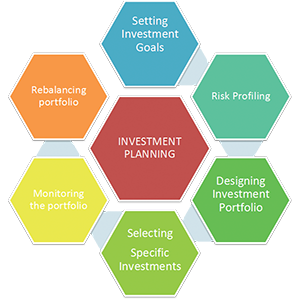
Learn the timeless concepts of asset allocation, risk-return dynamics, portfolio diversification, and emotional discipline in investing.
Financial triumph is rarely the result of a single event; it is the compounding effect of modest, repeatable behaviors practiced week after week.
Dedicate twenty minutes each weekend to audit card statements and verify subscriptions, keeping cash flow top of mind.
Schedule direct deposits into dedicated savings and investment accounts on payday, removing manual temptation.
Transform vague desires into quantified milestone figures with explicit dates and monthly funding allocations.
Keep reserve funds isolated in separate accounts designated strictly for unforeseen critical emergencies.
Re-evaluate priorities whenever income changes, ensuring lifestyle expansion does not outpace capital growth.
Enforce a mandatory 48-hour waiting period for significant non-essential purchases to reduce impulsive choices.
Every wealth builder traverses distinct progressive stages. Identify your current milestone and focus on the corresponding financial priorities.
Gain complete clarity over income, recurring expenses, and debts.
Eliminate revolving debt and fund an essential cash emergency cushion.
Automate consistent saving toward concrete 3-to-5 year life targets.
Commit recurring capital to diversified long-term investment vehicles.
Rebalance asset allocations and adjust for major career or family shifts.
Achieve self-sustaining capital independence and legacy continuity.
Explore curated editorial insights designed to elevate your financial understanding and refine your wealth strategies.
A structured blueprint for sorting income, fixed overhead, and lifestyle discretionary funds without tedious tracking.
Read More
Why behavioral design and automation outperform willpower when establishing substantial capital reserves.
Read More
Demystifying market volatility, inflation effects, and the psychological discipline required for long-term compounding.
Read More
How holding non-correlated asset classes safeguards wealth against severe drawdowns while capturing upside.
Read More
Structuring specific target figures and assigning appropriate investment timelines to accomplish key life visions.
Read More
The core tenets that separate sustainable wealth generation from temporary speculative gains.
Read MoreStructure your financial responsibilities into intuitive time-based operating zones to maintain continuous clarity and alignment.
Review daily transactions, log variable expenses, and maintain acute spending awareness.
Track cash flow ratios, execute scheduled savings transfers, and adjust variable buckets.
Evaluate overall net worth growth, rebalance asset distributions, and audit insurance.
Refine retirement milestones, monitor compounding velocity, and plan generational transfer.
Clear answers to fundamental questions regarding wealth planning, money management, and long-term financial architecture.
Personal financial planning is the comprehensive process of organizing your income, spending, debt, savings, and investments into a coherent strategy designed to achieve your life goals while protecting against financial shocks.
Budgeting creates conscious awareness of where capital is directed. Without a structured budget, discretionary lifestyle inflation frequently consumes surplus earnings, preventing you from accumulating the capital required for investing.
Dedicated cash savings act as an emergency shock absorber. Having 3 to 6 months of expenses in liquid reserves prevents you from taking on high-interest debt or liquidating long-term investments during unexpected emergencies.
Diversification is the practice of spreading investments across various asset categories, industries, and geographical markets so that poor performance in one area does not jeopardize your entire portfolio.
Understanding your risk tolerance and financial capacity prevents panic-selling during inevitable market downturns. Aligning your asset allocation with your true comfort level ensures you stay invested for long-term compounding.
Organize goals into distinct time horizons: short-term (under 2 years), medium-term (3 to 7 years), and long-term (10+ years). Assign specific target amounts, monthly contribution quotas, and appropriate risk levels to each bucket.